Engineering, Leadership, Reality
Long-form writing on systems, people, and the predictable chaos they create.

September 3, 2026
Argue Hard, Then Build
Sometimes the business makes a decision you disagree with. Your job is to make the strongest argument you can, then help make the decision work.

August 8, 2026
The Plan Is Not the Work
Some organisations want managers to arrive with a complete plan. I think the plan is what you build after you understand the people, the work, and the first collision with reality.

July 29, 2026
Interview for the Work
Most engineering interviews test the candidate’s ability to survive the interview process. They should test whether the candidate can do the work.
July 3, 2026
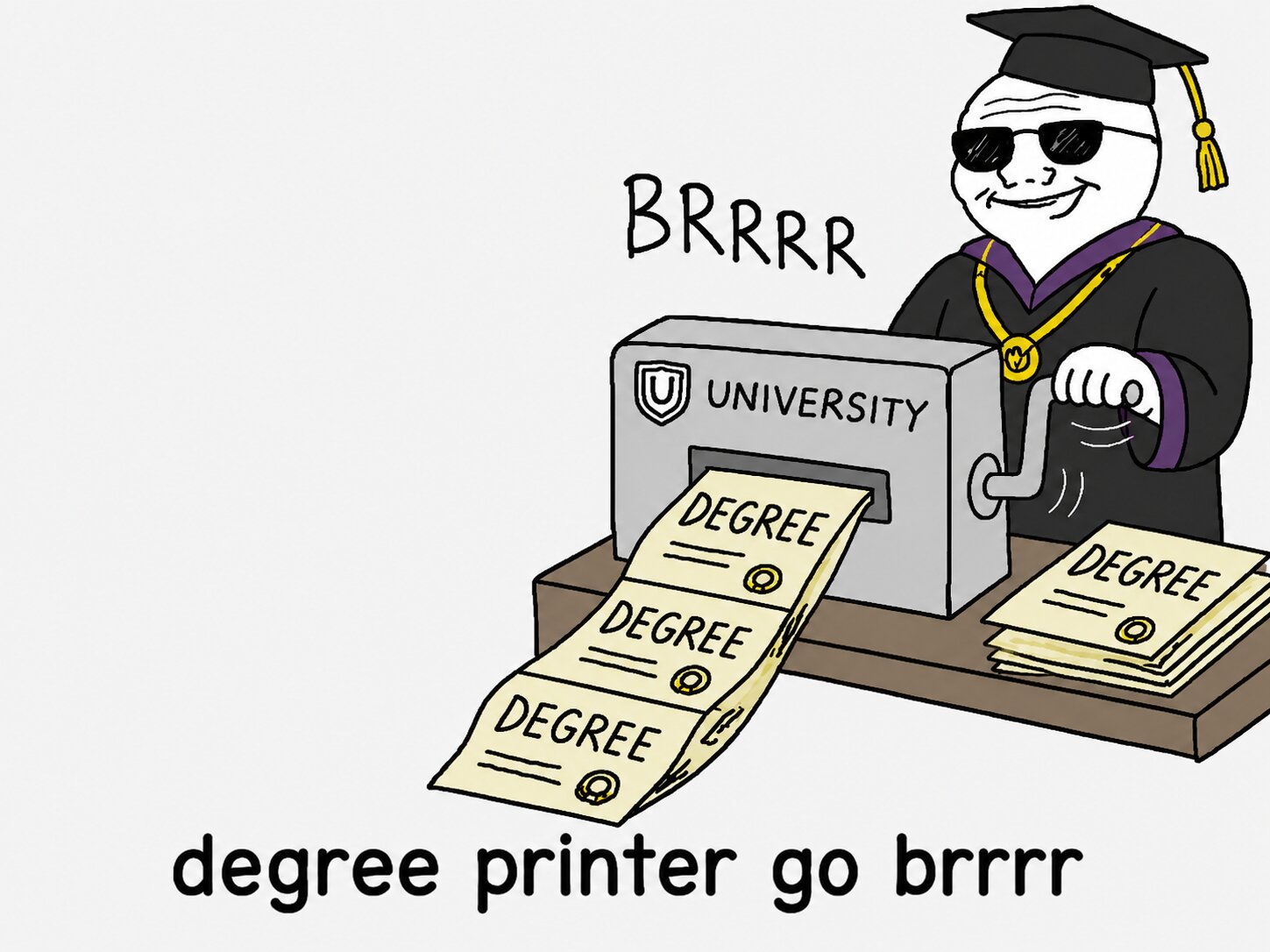
Universities Did Not Make Smart People
What if universities did not create smart people so much as select them, credential them, and sell the signal back to everyone else?

June 22, 2026
Eat your vegetables
What if vegetables were never the prize, but the backup plan that helped humans survive when better food disappeared?

June 15, 2026
Fame Selects for the Wrong People
The people most likely to survive fame are often the least motivated to chase it, which is why good work so often stays invisible.
June 2, 2026
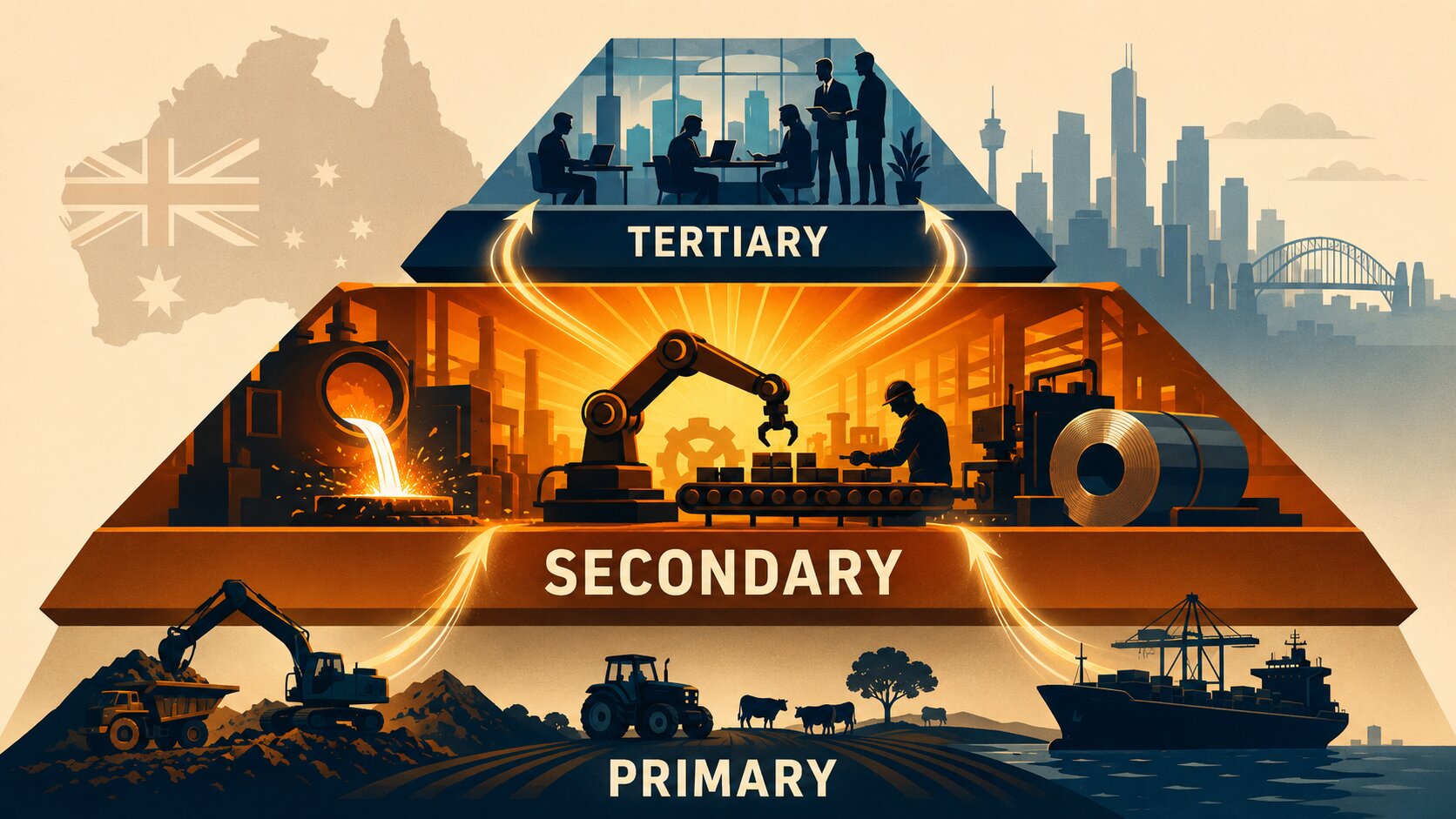
We Mistook House Prices for Wealth
We did not create more prosperity. We just made access to the same life more expensive.

May 31, 2026
Surviving the Big Changes
The universe will sometimes come and turn your life upside down. Over the years I've found ways to keep my head above water and survive these events. Usually coming out stronger the other side.

May 24, 2026
Local Rules Create Complex Systems
If starlings don’t use telepathy to move as one, why do so many leaders still think complex systems need a central brain?

May 20, 2026
Reality Does Not Negotiate
Good engineering is the habit of aligning with reality early, testing assumptions before the world corrects them expensively.

May 16, 2026
Evil People Don't Exist
Most harm is not caused by people who think they are evil, but by people whose conviction has stopped receiving feedback.

April 16, 2026
You get what you tolerate
Small compromises don’t stay small. In business and personal relationships, what you allow quickly becomes the baseline.
April 8, 2026
Teams need a shared identity
Tom DeMarco's gelled team is real. Applied without care, shared identity can harden into a faction that works against the organisation that needs it.

April 4, 2026
Syncromesh, Koya, and the Helix Split
Syncromesh was built to run a distributed game simulation. Koya split off to serve embedded UI. When the two diverged too far to share a codebase, the useful parts were pulled down into Helix.
March 29, 2026
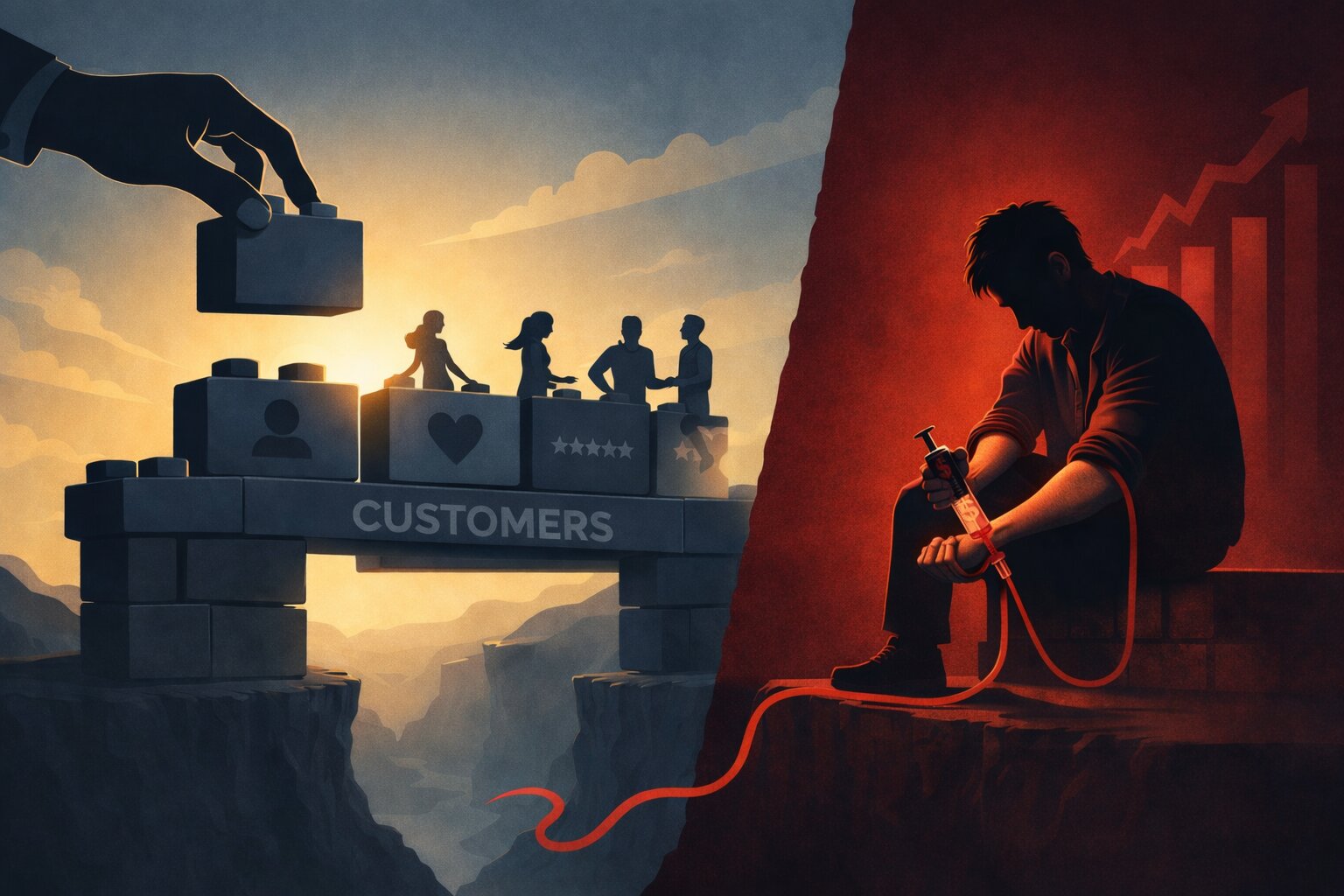
The Moment a Startup Starts Serving Investors
There is a point where a startup quietly shifts from building for customers to performing for investors. No one announces it, but the work stops compounding and the system begins to degrade.
March 20, 2026
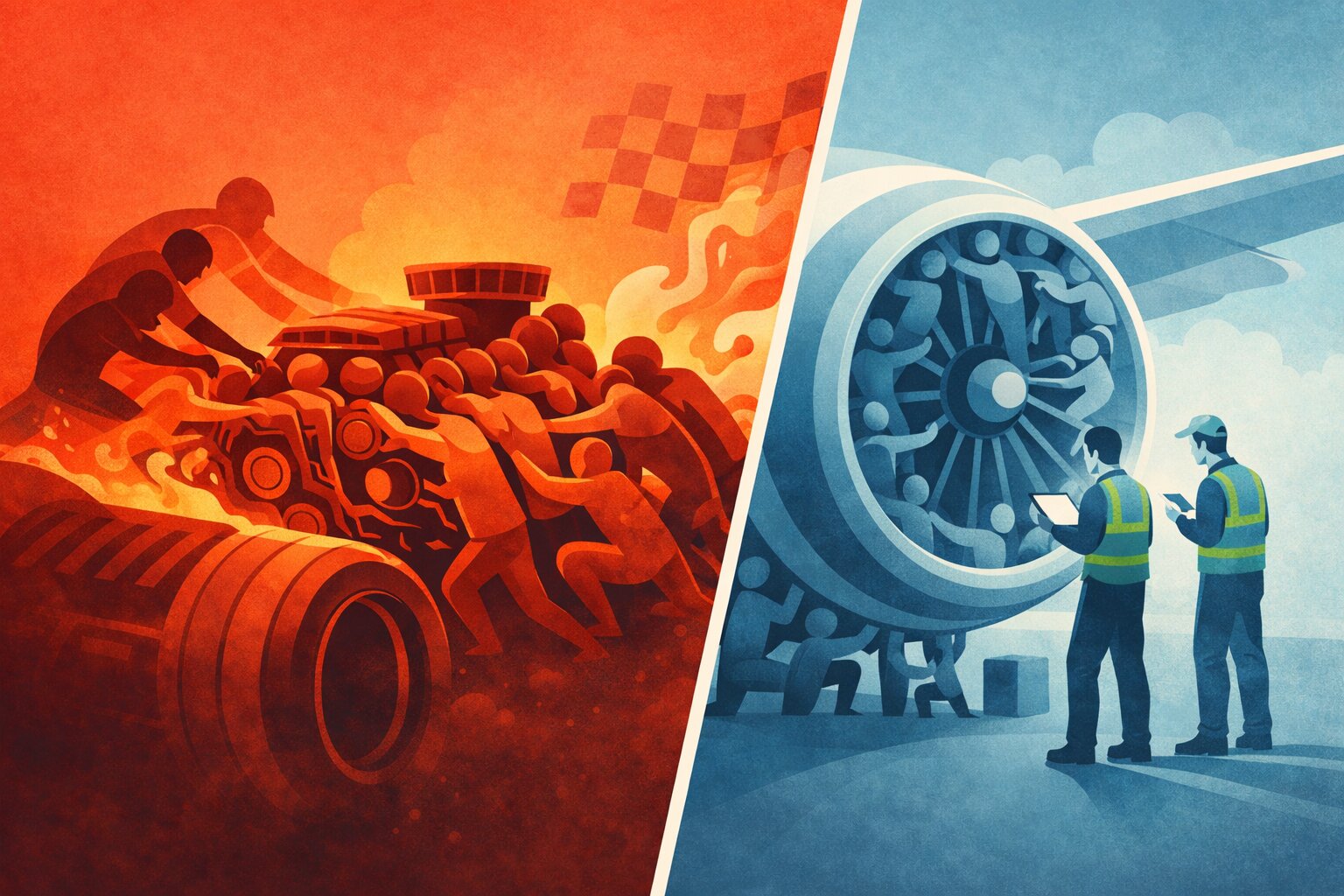
Racing Engines, Aircraft Engines
Startup culture glorifies short bursts of heroic effort, but durable organisations are built more like aircraft engines than race cars: through limits, maintenance, and reliability over time.

March 13, 2026
Professional Credibility Is Engineered
Most people cannot assess technical work directly, so credibility is built through visible signals of order, clarity, reliability, and professional presentation.
March 1, 2026
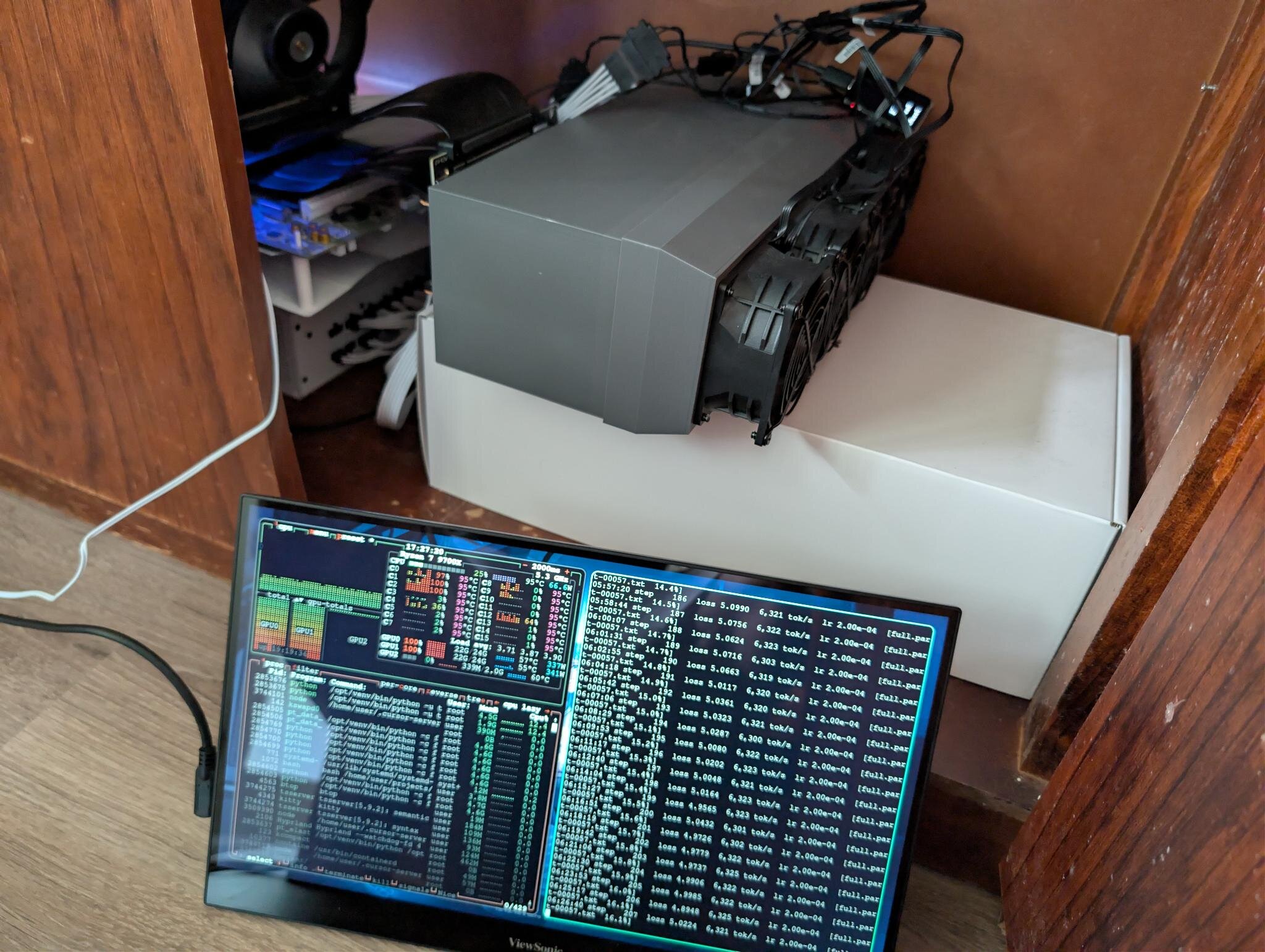
This Is the Future of AI
The future of AI isn’t infinite scale; it’s focused utility: small local models that replace friction and quietly integrate into the stack.

January 20, 2026
The Board Is Not Your Enemy, Unless You Make It One
Boards don't become adversarial by default. They become adversarial when founders avoid structure and force governance to emerge through intervention instead of design.

January 18, 2026
When Structure Fails, Conflict Fills the Gap
Most conflicts between technical leadership and business development aren't personality clashes. They're structural failures caused by unclear authority, blurred domains, and leaders who won't respect boundaries.

January 16, 2026
Let Them Own the Call
If you want ownership, you have to give people the authority to make decisions; even when you think they might choose wrong.

December 10, 2025
The Myth of 'Build It and They Will Come'
A startup without hustle defaults to building in the dark, convinced features replace customers. They don’t.

November 25, 2025
ESOPs Are Not Remuneration
ESOPs get sold as part of your compensation, but structurally they're not pay. They're discretionary, illiquid side-bets that shift risk onto employees without giving them real value or power.

November 2, 2025
Why Founders Struggle With Letting Go
Founders often believe their personal involvement is what keeps the company alive. That may be true early on, but it becomes the bottleneck that stops the organisation from maturing. Letting go isn’t emotional; it’s structural.

October 20, 2025
The Cost of Technical Debt Isn’t Technical
Technical debt shows up in code, but its real impact is on how people work, think, and interact. The cost is paid in trust, morale, and predictability long before anyone starts refactoring.

September 7, 2025
Startups Don’t Fail from Lack of Vision; They Fail from Lack of Structure
Most startups don’t die because they lack big ideas. They die because they never build the structure needed to turn those ideas into reality.