Tag: startups

September 3, 2026
Argue Hard, Then Build
Sometimes the business makes a decision you disagree with. Your job is to make the strongest argument you can, then help make the decision work.

August 8, 2026
The Plan Is Not the Work
Some organisations want managers to arrive with a complete plan. I think the plan is what you build after you understand the people, the work, and the first collision with reality.

July 29, 2026
Interview for the Work
Most engineering interviews test the candidate’s ability to survive the interview process. They should test whether the candidate can do the work.

April 16, 2026
You get what you tolerate
Small compromises don’t stay small. In business and personal relationships, what you allow quickly becomes the baseline.
April 8, 2026
Teams need a shared identity
Tom DeMarco's gelled team is real. Applied without care, shared identity can harden into a faction that works against the organisation that needs it.
March 29, 2026
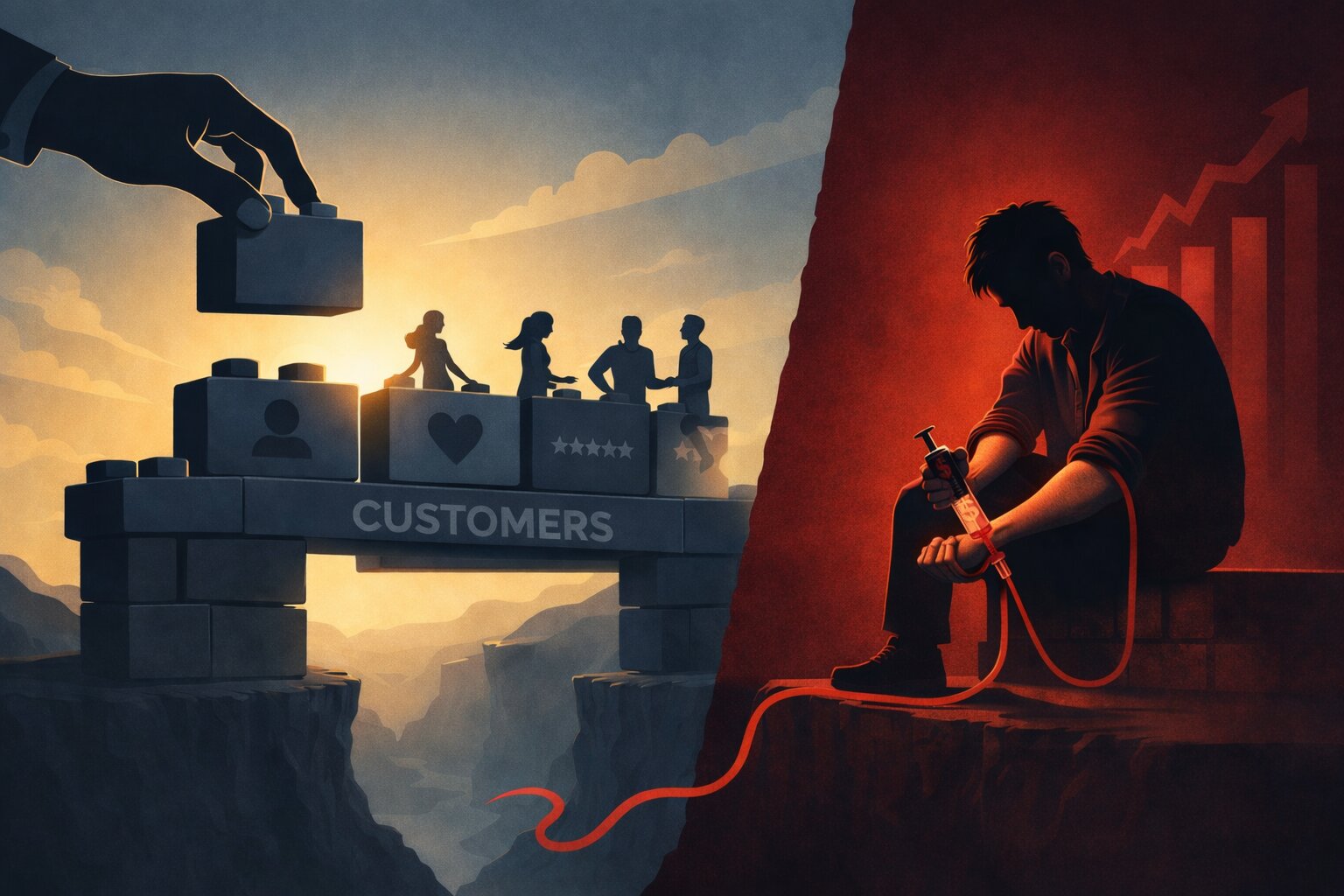
The Moment a Startup Starts Serving Investors
There is a point where a startup quietly shifts from building for customers to performing for investors. No one announces it, but the work stops compounding and the system begins to degrade.
March 20, 2026
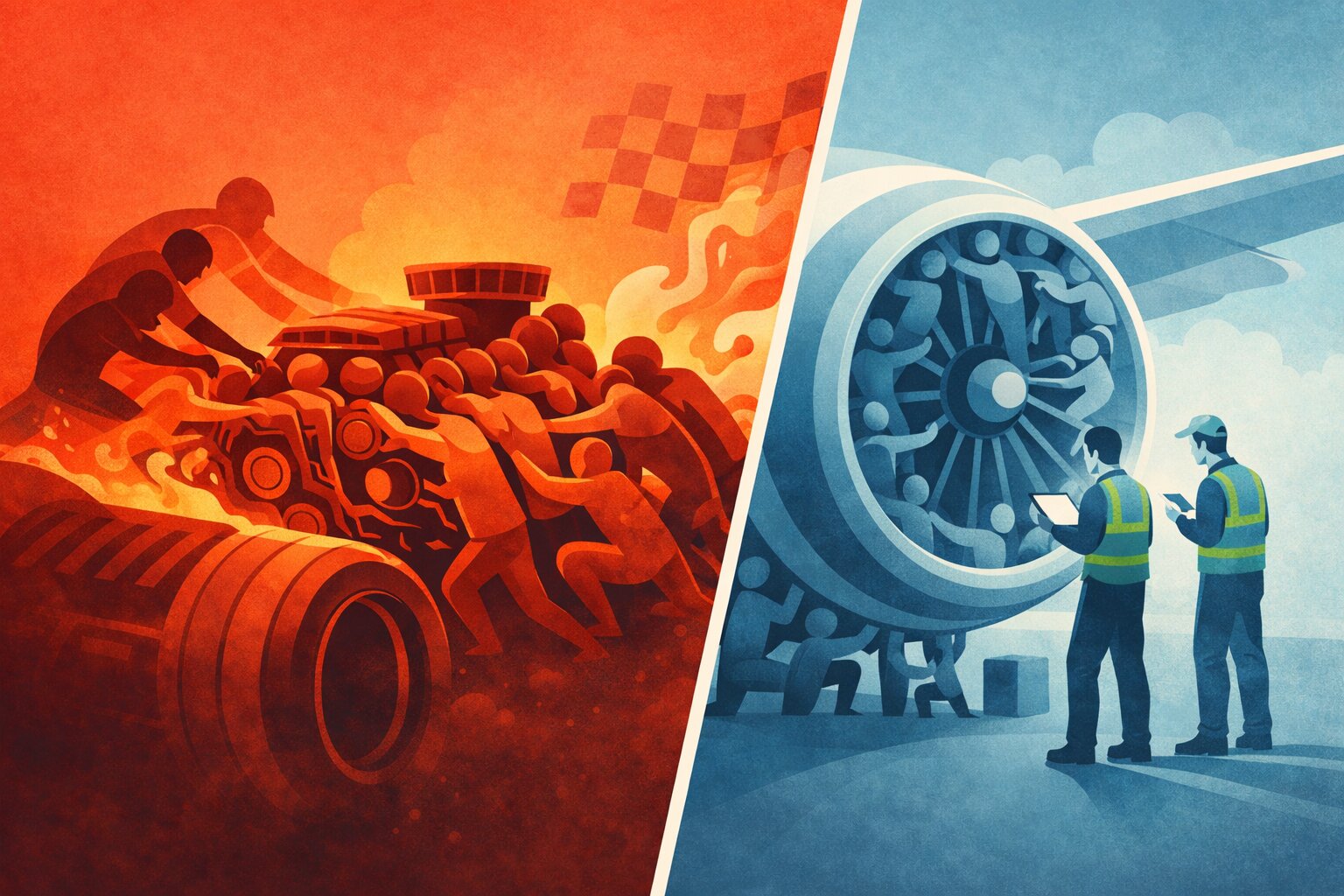
Racing Engines, Aircraft Engines
Startup culture glorifies short bursts of heroic effort, but durable organisations are built more like aircraft engines than race cars: through limits, maintenance, and reliability over time.

January 20, 2026
The Board Is Not Your Enemy, Unless You Make It One
Boards don't become adversarial by default. They become adversarial when founders avoid structure and force governance to emerge through intervention instead of design.

December 10, 2025
The Myth of 'Build It and They Will Come'
A startup without hustle defaults to building in the dark, convinced features replace customers. They don’t.

November 25, 2025
ESOPs Are Not Remuneration
ESOPs get sold as part of your compensation, but structurally they're not pay. They're discretionary, illiquid side-bets that shift risk onto employees without giving them real value or power.

November 2, 2025
Why Founders Struggle With Letting Go
Founders often believe their personal involvement is what keeps the company alive. That may be true early on, but it becomes the bottleneck that stops the organisation from maturing. Letting go isn’t emotional; it’s structural.

September 7, 2025
Startups Don’t Fail from Lack of Vision; They Fail from Lack of Structure
Most startups don’t die because they lack big ideas. They die because they never build the structure needed to turn those ideas into reality.